Skilled Animal Extraction Services for Your Home
Trusted wildlife removal services serve an essential role in managing unwanted animal intrusions in homes. These specialists bring specialized knowledge and tools to effectively evaluate and manage various situations. They prioritize both safety and ethical treatment, ensuring a thorough approach. However, understanding the dangers of wildlife in residential spaces and the common invaders is crucial. What strategies can homeowners employ to safeguard their living environments? The answers may be more unexpected than one might expect.
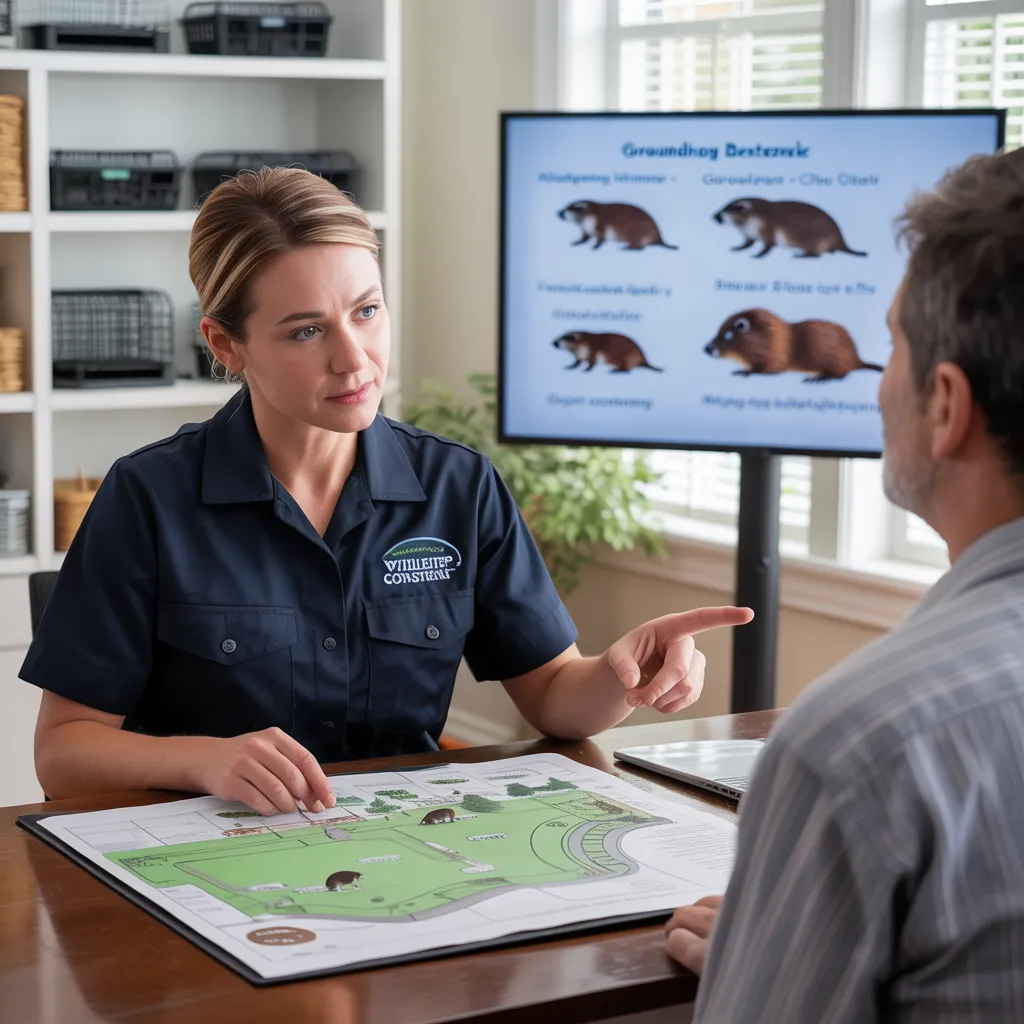
Understanding the Hazards of Wildlife in Your Home
Wildlife inside the home creates considerable risks that many homeowners might underestimate. Animals that enter uninvited can cause major property damage, which leads to costly repairs. For example, rodents can gnaw on electrical wiring, raising the risk of fires. In addition, their droppings might contaminate food sources and surfaces, presenting serious health risks.
Furthermore, wild animals can transmit parasites, including fleas and ticks, which can affect both humans and pets. The presence of larger animals, like raccoons or deer, can also result in aggressive encounters, endangering residents.
The nesting behaviors of various species may cause structural damage, as they can obstruct ventilation or create entry points for further infestations. Moreover, many homeowners are unaware of the legal regulations surrounding wildlife removal, which can hinder attempts to handle pest problems. Understanding these risks is essential for maintaining a safe and healthy living environment.
Detecting Ordinary Animal Invaders in Your House
Identifying frequent wildlife invaders is essential for keeping a safe and clean home environment. Rodents, such as mice and rats, often seek shelter indoors, while nocturnal pests like raccoons and opossums can cause considerable damage if they gain access. Homeowners can take prompt action to prevent infestations by identifying the signs of these intruders.
Standard Rodent Unwanted Guests
While many homeowners may not realize it, typical rodent pests such as mice and rats can present serious dangers to both health and home. Mice, generally more nimble and compact, can readily enter homes through tiny openings. They often nest in walls, attics, or basements, resulting in potential damage and contamination. Rats, on the other hand, are larger and more destructive, capable of chewing into insulation and wiring, which may cause expensive fixes. Both species are notorious for transmitting illnesses, such as hantavirus and leptospirosis, making their presence a significant health risk. Accurate recognition and swift response are essential for effective rodent control, safeguarding both the home and its occupants from their adverse effects.
Nocturnal Pest Detection
In what ways can property owners effectively recognize signs of night pests that might invade their living areas? Recognizing these unwelcome visitors usually starts with noticing unusual noises at night, like scratching or scurrying. Typical nocturnal pests include raccoons, opossums, and various rodents. Homeowners should search for droppings, chew marks on wires or furniture, and claw marks near entry points. Moreover, nests found in attics or basements can indicate an infestation. Odd odors may also point to the presence of these pests. Staying alert to these signs enables homeowners to promptly deal with possible wildlife problems, reducing damage and health risks from infestations. Professional wildlife removal services can help with the identification and safe removal of these nocturnal intruders.
Main Strengths of Engaging Wildlife Control Specialists
Employing animal control specialists delivers numerous advantages for homeowners addressing wildlife invasions. First and foremost, these professionals have expert training and specialized experience, permitting them to identify various species and comprehend their behaviors. This knowledge guarantees that the appropriate removal strategies are applied, reducing dangers to both people and animals.
Likewise, animal removal experts routinely use advanced methods and equipment that function more effectively than do-it-yourself approaches. Their experience equips them to handle risky environments safely, decreasing the likelihood of property destruction or personal injury. Additionally, professionals can share practical suggestions on preventing subsequent infestations, addressing entry points, and putting in place long-term strategies.
In conclusion, numerous animal control companies stress humane practices, aligning with moral considerations while preserving the residential setting. By engaging professionals, property owners can establish a thorough, efficient, and responsible approach to wildlife concerns, creating tranquility and a secure environment.
Humane Wildlife Relocation Practices for Your Dwelling
Wildlife removal specialists emphasize compassionate methods to handle animal intrusions effectively. These strategies focus on the well-being of the animals while guaranteeing the protection and comfort of homeowners. For instance, professionals often use live traps to capture animals without causing harm, allowing for secure transfer to suitable habitats. Additionally, exclusion techniques concentrate on blocking access areas to prevent future intrusions rather than harming the wildlife.
Specialists also endorse environmental adjustment, which requires modifying environments to make them less appealing to nuisance wildlife. This can consist of securing trash, eliminating food sources, and maintaining landscaping to discourage wildlife. Learning is important as well, with specialists sharing advice on harmony methods that lessen tension. Overall, humane wildlife removal approaches not only solve immediate problems but also develop understanding between humans and local wildlife, ensuring both can succeed check now in shared spaces.
Tips for Selecting the Correct Wildlife Removal Service
Selecting the suitable wildlife removal service requires careful consideration of multiple key factors. It is essential to check the qualifications and licensing of the service, as well as evaluate their experience and expertise in the field. Additionally, comparing the service options offered can help ensure that the chosen provider meets specific needs effectively.
Examine Background And Registration
How can one guarantee they are choosing a capable animal control company? The first step includes checking the qualifications and licensing of prospective companies. Proper licensing demonstrates that a company adheres to local regulations and industry standards, ensuring a level of professionalism and accountability. Certifications from established animal control associations can additionally confirm knowledge. Furthermore, verifying liability protection is essential; it protects both the property owner and the service provider in case of accidents or damages throughout the extraction procedure. Prospective clients should request documentation of these credentials upfront. By prioritizing qualified and credentialed experts, property owners can greatly reduce the risk of inadequate or harmful wildlife removal practices. This careful vetting creates a base for safe and effective wildlife management.
Review Experience Level And Expertise
After verifying the credentials and permits of wildlife removal services, the next key factor to consider is their experience and expertise. A seasoned provider is more likely to manage a variety of wildlife situations effectively, minimizing hazards to both property and inhabitants. It is essential to inquire about the number of years the service has been in business and the types of wildlife they focus on removing. Additionally, reviewing for customer testimonials or case studies can offer insight into their problem-solving abilities and success records. Experienced professionals often stay updated on the latest removal techniques and safety protocols, ensuring humane and efficient solutions. Ultimately, choosing a service with proven experience can result in a more satisfactory resolution of wildlife issues.
Compare Offering Choices Available
What service options are offered for animal removal, and how can they influence the selection of a provider? Multiple options include ethical trapping, exclusion techniques, habitat alteration, and damage repair. Each option tackles specific wildlife issues, and understanding these can aid homeowners in choosing the appropriate company. For instance, humane trapping focuses on safely relocating animals, while exclusion techniques prevent future infestations by sealing entry points. Additionally, some companies provide continuous maintenance programs to guarantee long-term protection. Assessing the variety of options enables homeowners to align their requirements with a provider's expertise, assuring efficient and long-lasting solutions. Ultimately, the right choice copyrights on matching service offerings with individual circumstances and preferences.
What Occurs During Wildlife Removal?
During wildlife removal, qualified technicians inspect the conditions to figure out the best approach for humanely and safely dealing with the activity of animals. This first assessment includes determining the animal species, the magnitude of the infestation, and conceivable access points into the home.
Once the evaluation is complete, the professionals create a customized plan that prioritizes the protection of both the animals and the occupants. They may use traps or removal techniques to capture or discourage the wildlife without inflicting damage.
In many cases, technicians also propose recommendations for preventing repeat pest occurrences, such as caulking openings or removing edible matter. After the eradication, the area is cleaned and refurbished as needed to minimize the probability of further animal incursion.

Frequently Asked Questions
How much will animal removal generally set you back?
Wildlife removal expenses typically vary from $100 to $1,500, depending on factors like the animal species, the extent of the infestation, and the complexity of the removal process required for safe and humane extraction.
Are Animal Control Services Available 24/7?
Many wildlife removal services function 24/7 to handle critical situations. Access can differ by company, but most work to offer quick assistance, guaranteeing that homeowners can obtain help whenever wildlife concerns occur unexpectedly.
What Should I Do Before the Removal Team Shows Up?
When the removal team is about to arrive, the homeowner should secure pets indoors, clear away food sources, and close off access points. It's also advisable to note any wildlife activity and inform the team to the crew.
Is It Feasible to Keep Creatures From Accessing My Home?
To prevent animals from getting into a home, one should close cracks, protect vents, and properly store food. Frequently inspecting the property for access areas and keeping a tidy yard can further discourage potential intruders.
Are Wildlife Removal Services Supported By Guarantees?
Wildlife animal control providers often provide guarantees about their services, ensuring that any extracted wildlife will not come back. These assurances can vary in duration and conditions, depending on the specific service and the circumstances at hand.
Comments on “Humane Animal Removal Services for Residential and Commercial Clients”